The Real Cost of Owning an E-Bike: Purchase Price Is Only the Start (2026)

A $800 e-bike does not cost $800. It costs roughly $1,500–$1,800 over three years of regular commuting — and that is still dramatically cheaper than a car. The trick is knowing where the money actually goes, so the costs never surprise you: consumables, services, charging, accessories, and one day, a battery. This guide lays out each one with the assumptions stated, so you can adjust the math to your own riding.
The 3-year picture (illustrative scenario)
Assumptions: a budget commuter e-bike bought for about $800, ridden roughly 3,000 miles a year (a 12-mile round-trip commute, most weekdays), maintained on schedule, in US prices. Your numbers will differ — treat this as a shape, not a quote.
| Cost | 3-year typical range |
|---|---|
| Purchase price | ~$800 (one-time) |
| Consumables (chains, pads, tires, tubes, lube) | ~$350–$450 |
| Shop services (annual services after a usually-free first service) | ~$200–$300 |
| Charging (electricity) | ~$60 |
| Accessories (lock, helmet, lights, rack bag — one-time) | ~$100–$200 |
| 3-year total | ~$1,500–$1,800 |
That works out to roughly $0.17–$0.20 per mile over 9,000 miles. A car, all-in (fuel, insurance, maintenance, depreciation), commonly runs $0.60+ per mile — and the commuter math in our commuter guide put a typical car month around $350 versus roughly $25 for an e-bike. The e-bike wins by a wide margin; the point of this guide is that it wins by planning, not by magic.
Consumables: the small, steady costs
These are the costs our chain, brake, and first-year guides already schedule for you:
- Chain: roughly one a year for a heavy commuter ($20–$40 each with a quick link).
- Brake pads: one to two sets a year for daily riders, rear first ($15–$30 a set).
- Tires: a rear tire roughly yearly, a front every couple of years ($30–$60 each).
- Tubes, lube, small parts: a modest annual trickle.
- Cassette/chainring: only if you ignore chain wear — a stretched chain eats a cassette ($40–$80) and eventually a chainring. The chain checker habit from our chain guide is the cheapest insurance in this whole cluster.
The battery: the one big future cost
A replacement battery is the largest single cost an e-bike owner will face — typically $300–$800 depending on capacity and brand, with proprietary packs at the higher end and common-format packs lower. Most batteries last 500–1,000 full charge cycles, or roughly 3–5 years of regular use, before capacity drops enough to matter. Three things push that date later: the 20–80% daily charging window, proper storage, and not leaving the battery at 100% for weeks — all covered in our battery guide. When replacement day comes, check whether your bike’s maker still sells the pack before you need it; a bike with no available replacement battery is a bike with a hard expiry date.
Charging: the cost everyone overestimates
Electricity is the smallest line on the bill. A typical e-bike battery holds 500–700Wh; a full charge, including charging losses, draws roughly 0.6–0.8 kWh. At a typical US residential rate of about $0.17/kWh, that is roughly $0.10–$0.14 per charge. Three charges a week comes to roughly $20 a year. Rates vary by country and tariff, but in every market charging is measured in tens of dollars a year, not hundreds — if anyone tells you charging is a major e-bike cost, their math is wrong.
Accessories: buy once, buy right
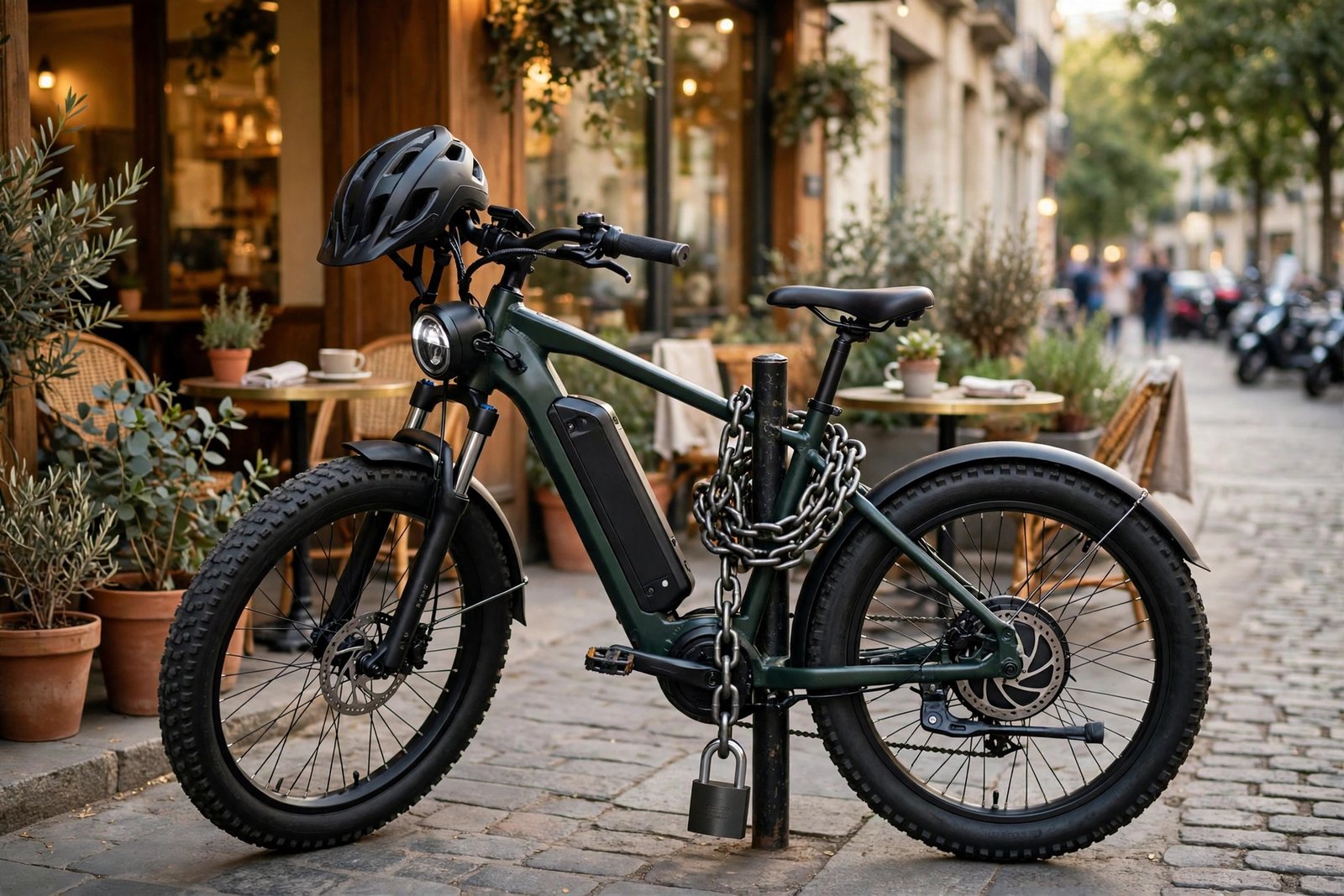
- Lock: the one accessory to overspend on. A cheap cable lock on an $800 bike is false economy — a quality U-lock or heavy chain costs $60–$120 and is the difference between a bike you keep and a bike you replace.
- Helmet: $40–$80 for a certified helmet that fits well. Replace after any crash, and roughly every 5 years regardless.
- Lights, rack, bag: $50–$150 depending on what your commute needs. Buy after a month of riding, when you know what you actually miss — not on day one, when everything looks essential.
- What not to buy early: a second battery (wait until range actually limits you), premium suspension upgrades, and matching kit. Ride first, then spend on the problems you have.
Where owners waste money
- Skipping maintenance. A $30 chain ignored becomes an $80 cassette, then a $150 drivetrain. Maintenance deferral is the most expensive habit in e-biking.
- Cheap security. One stolen bike wipes out years of savings versus a car.
- Overbuying the bike. A $1,500 bike ridden twice a month costs more per mile than an $800 bike ridden daily. Match the bike to the mileage, not the aspiration.
- Dealer-only consumables. Chains, pads, and tires are standard parts — a local shop or careful DIY beats brand-marked parts pricing.
E-bike vs car vs transit (typical monthly)
| Mode | Typical monthly cost | Notes |
|---|---|---|
| Car (all-in) | ~$350 | Fuel, insurance, maintenance, depreciation — one commuting guide’s typical estimate |
| E-bike | ~$25 | Charging + consumables + services, amortized |
| Transit pass | Varies widely | Often $60–$120 in US cities; e-bike usually undercuts it with more flexibility |
Even counting the battery replacement in the year it lands, the e-bike stays far ahead for a regular commuter — and the gap widens the more you ride, since the car’s per-mile costs keep running while the e-bike’s stay small.
Frequently asked questions
Is an e-bike actually cheaper than a car?
For a regular commuter, yes, by a wide margin — roughly $25 a month versus roughly $350 all-in for a car, on typical estimates. The gap holds even in the year you replace a battery.
How much does a replacement battery cost?
Typically $300–$800, depending on capacity and whether the pack is proprietary. Check availability for your model before you buy the bike, not when the battery fades.
How much does charging cost?
Roughly $0.10–$0.14 per full charge at typical US residential rates — about $20 a year for a regular commuter. Rates vary by market, but charging is always the smallest cost.
What is the most expensive thing that breaks?
The battery, by far — then the motor or controller, which are usually warranty items if they fail early. Everything else (chain, pads, tires) is consumable-priced.
Do I need insurance for an e-bike?
It depends on value and local rules. A standard policy or a dedicated e-bike policy is worth pricing if your bike costs $1,000+ or lives outside — theft is the risk that matters most, and a good lock is the first policy.
Is a cheap e-bike false economy?
Not automatically. A budget bike from a brand with available parts, a real warranty, and a standard battery format can be excellent value. The false economy is a bike with no parts support, no warranty path, and a proprietary battery nobody sells in two years.
Typical estimates with stated assumptions — your mileage, model, and local prices change the result. Commuter picks in Best Commuter E-Bikes Under $1,000 (2026), battery life in E-Bike Battery Care Guide, and the first-year plan in Your E-Bike’s First Year. As an Amazon Associate, we earn from qualifying purchases.